Home › Asphalt Resurfacing & Overlays
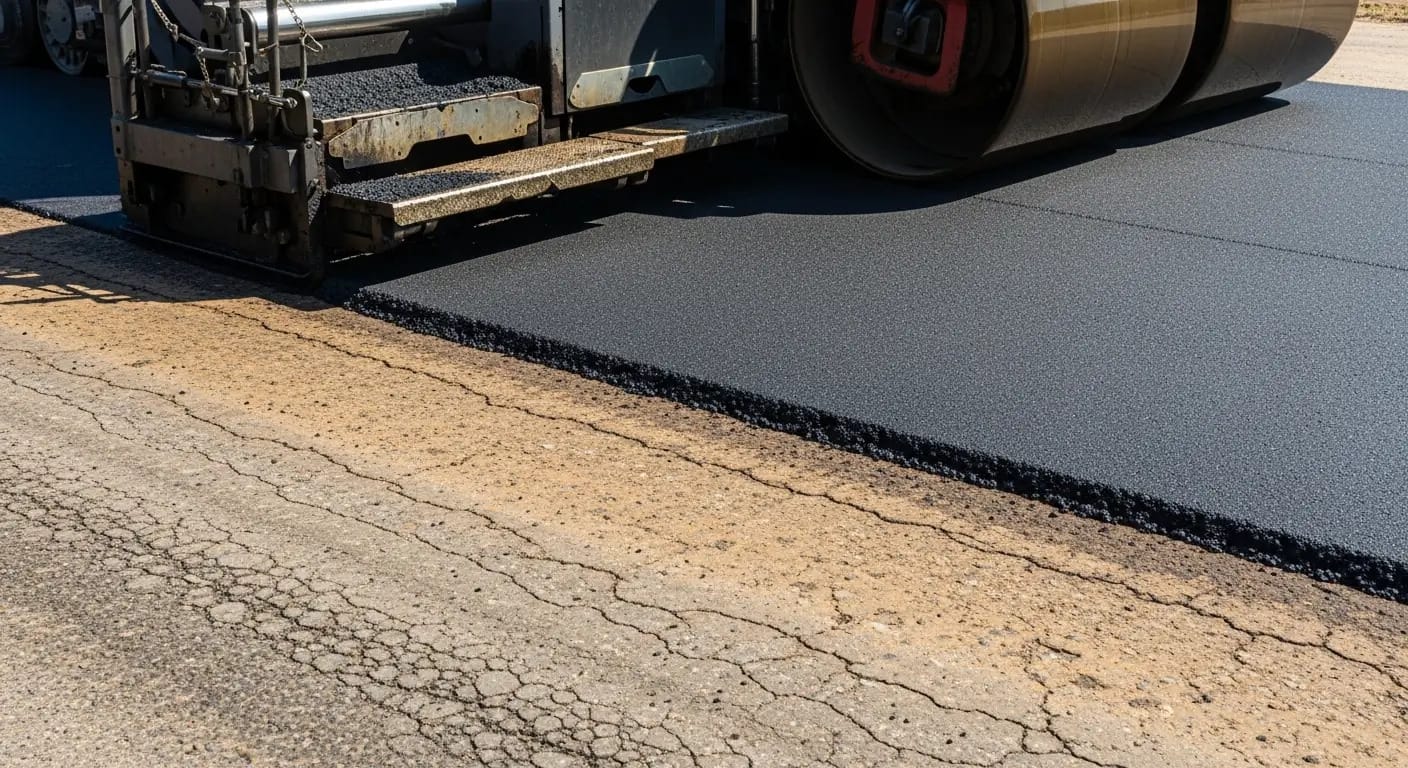
Refresh your worn driveway in Durham, NC with professional asphalt resurfacing and overlays. We restore tired surfaces by correcting minor damage and applying a strong new asphalt layer. Our team evaluates your base and drainage to ensure resurfacing is appropriate. Enjoy a like new driveway look for less than full replacement.
Precision Asphalt Durham provides professional asphalt resurfacing throughout Durham, NC, North Carolina and the surrounding area. Our licensed, insured crew delivers safe, clean, on-time work with a free estimate before anything begins. Call (984) 206-3947 or request your free quote.
Practical Asphalt Resurfacing For Durham Properties
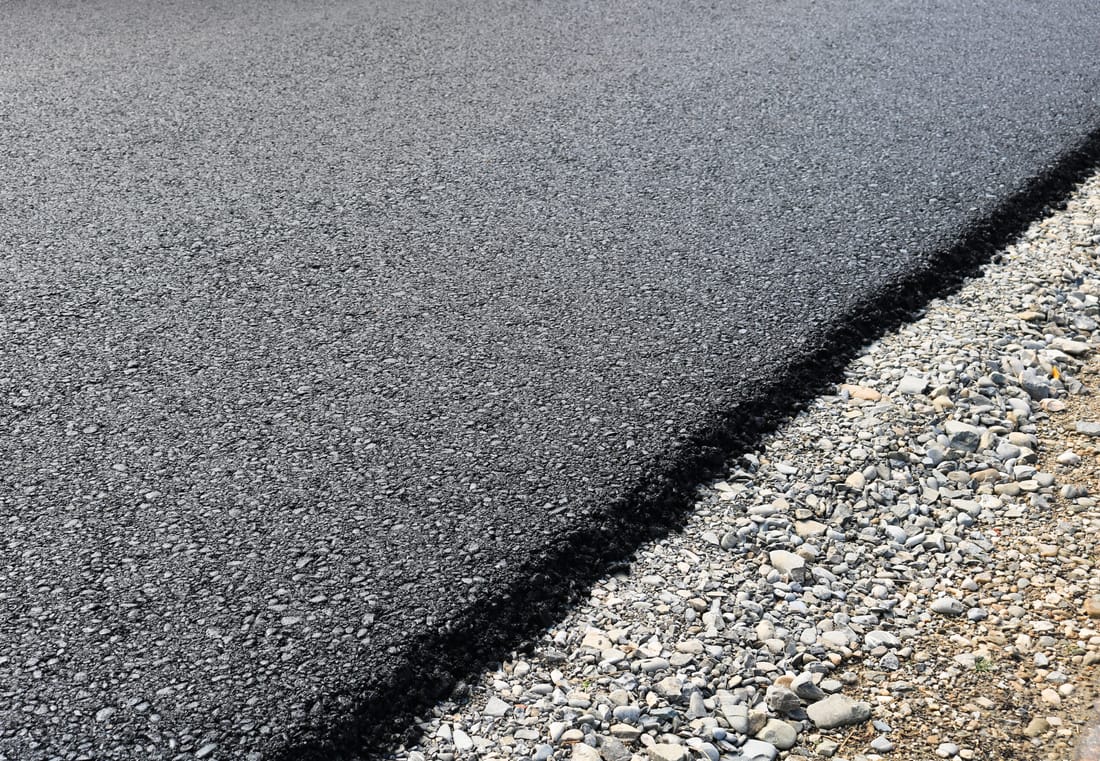
Asphalt resurfacing is the process of installing a new layer of hot mix asphalt over an existing paved surface that is worn but still structurally sound. It is often the most cost‑effective way to add 8 to 15 years of life to driveways, parking lots, and private roads in Durham without paying for a full tear out.
Precision Asphalt Durham focuses on resurfacing for the types of properties common here: older brick homes near Duke and downtown with 20 to 40 year old driveways, 1990s and 2000s subdivisions in Southpoint and North Durham with oxidized but repairable pavement, and small commercial lots that have been patched repeatedly. In these situations the base usually has enough strength, but the top layer is cracked, rutted, or faded.
Resurfacing is not a one‑size‑fits‑all solution. It works when the base is stable, drainage can be corrected or improved, and the cracking pattern is not full‑depth alligator cracking everywhere. During our site visit, Precision Asphalt Durham cores or probes the existing pavement in key locations if needed, checks for soft spots and trapped moisture, and looks at how water moves during heavy Durham rain. If the base has widespread failure, we will tell you honestly that milling and full replacement are better than wasting money on a thin overlay.
Used correctly, an asphalt overlay restores smoothness, improves appearance, raises curb appeal, and gives you a fresh wearing surface that can handle daily traffic, delivery trucks, and occasional service vehicles without the cost of total reconstruction.
Step‑By‑Step: How Our Resurfacing & Overlay Process Works
A good overlay is all about surface preparation and thickness. Precision Asphalt Durham follows a consistent sequence so you know exactly what is happening on your property.
1. Inspection and measurements. We walk the pavement with you, mark problem areas, note drainage paths, and measure square footage and asphalt depth at the edges. In older Durham neighborhoods, we also check how the driveway meets city sidewalks and streets to avoid creating trip hazards.
2. Structural repairs. Before resurfacing, we cut out and remove any areas with base failure, bad alligator cracking, or deep potholes. Those sections are excavated down to solid subgrade, then rebuilt with compacted stone and new base asphalt. Covering unstable areas without fixing them first will cause the new overlay to crack again quickly, so we do not skip this step.
3. Milling and edge transitions. We use a milling machine or saw cuts to reduce pavement thickness at transitions. This is important where your asphalt meets garage slabs, concrete aprons, curb inlets, or public streets. In Durham, many driveways were originally poured tight against concrete carports or retaining walls. Without milling, a new overlay could raise the surface too high and send water toward your house or over the sidewalk. Proper milling keeps grades consistent and maintains drainage.
4. Cleaning and tack coating. Once repairs and milling are done, the surface is swept clean to remove loose rock, dust, and debris. We then apply a liquid asphalt tack coat. This creates a bond between the old surface and the new asphalt layer. Skipping tack is one of the main reasons cheap overlays peel or slide; we apply it uniformly so the new mat locks down firmly.
5. Placing the overlay. We install hot mix asphalt with a paver whenever the layout allows. For tight Durham driveways or alleys where a paver cannot fit, we place by hand and compact in lifts. Typical overlay thickness ranges from 1.5 to 2 inches for residential areas and 2 to 3 inches for commercial traffic lanes, depending on your existing conditions and usage.
6. Compaction and finishing. Steel drum and pneumatic rollers compact the asphalt to achieve a dense, smooth surface. We set compaction patterns so joints are staggered and not lined up with old cracks. Edges are hand finished to keep a clean line along landscaping, walls, and steps.
7. Striping and markings. For commercial and multifamily lots, we return after the mat has cooled to add parking stripes, ADA spaces, directional arrows, and fire lanes according to Durham code and your site layout.
Material Options, Overlay Thickness, And Traffic Needs
Not every asphalt resurfacing job in Durham needs the same mix design or depth. Precision Asphalt Durham adjusts materials and thickness based on how the surface will be used and what is already in place.
For residential driveways and small private lanes, we typically recommend a 1.5 to 2 inch surface overlay. A dense‑graded hot mix with a finer aggregate provides a smoother finish that is easier to shovel and less noisy under passenger vehicles. On steep driveways common in some hilly parts of North Durham, we may adjust the aggregate blend for better traction and specify hand texturing at the very end to reduce slipperiness.
For commercial parking lots, townhome communities, and church properties, we often use a slightly coarser surface mix. This provides better resistance to turning movements, delivery trucks, and garbage trucks that commonly use the same areas. In loading zones, dumpster pads, and drive lanes where buses or tractor trailers turn, we may increase overlay thickness to 2.5 or 3 inches and widen the repair zone so the new mat is not feather thin at the edges.
In some older Durham industrial sites, the existing pavement stack is already thick, but the top courses are brittle and cracked. Here we may mill off 1 to 2 inches first, then relay 2 to 3 inches of fresh hot mix. This keeps overall elevation changes modest while giving you a strong new wearing surface.
We also consider existing drainage. If your current lot ponded water after heavy storms, a simple overlay at the same thickness will usually keep the same low spots. In those cases, we reshape the profile with variable thickness lifts, adding slightly more asphalt in the low areas while milling down near drains and curbs. This fine‑tuning is especially important for commercial properties along the Durham‑Chapel Hill corridor where customers walk across your lot daily.
Common Pavement Problems In Durham And When Resurfacing Makes Sense
Durham’s hot summers, occasional winter freezes, and heavy afternoon thunderstorms are tough on asphalt. Precision Asphalt Durham sees the same patterns across the city, and not all of them call for full replacement.
Resurfacing is usually a good fit when you see:
• Moderate alligator cracking in isolated areas that can be cut out and patched.
• Longitudinal and transverse cracks that can be routed and sealed before the overlay.
• Ruts where car tires track into the same lanes, but the base still feels firm.
• Numerous shallow potholes caused by surface wear, not deep structural failure.
In many 1980s and 1990s subdivisions, driveways and neighborhood streets have oxidized surfaces that turn gray and rough but still feel solid underfoot. Here, an asphalt overlay restores smoothness and appearance without digging into stable stone base. We often combine crack filling, localized base repairs, and overlay in one visit.
Resurfacing is typically not the right choice if the pavement moves or pumps when a heavy truck drives across it, if large areas of alligator cracking extend across most of the surface, or if you have chronic drainage issues that have undermined the base. In those cases, the new asphalt will simply mirror the old failures. When we inspect a site and see these conditions, we walk you through why more extensive reconstruction or deep milling is the honest recommendation.
We also pay attention to older driveways in central Durham that were installed too thin over clay soils. Overlaying without addressing weak subgrade would likely lead to new cracks within a couple of seasons. If you have questions about whether resurfacing is appropriate, we are direct about the pros and cons so you can decide based on accurate information, not sales pressure.
Cost Factors And What Durham Owners Can Expect
The cost of asphalt resurfacing in Durham varies, but there are clear drivers that Precision Asphalt Durham explains upfront so you can budget with fewer surprises.
Key factors include:
• Size and layout. Wide open areas are more efficient to pave. Tight driveways with multiple branches, parking nooks, or islands require more handwork, separate passes, and edge trimming, which increases labor time per square foot.
• Amount of milling and base repair. Simple overlays with minimal milling and a few patches are less expensive than projects needing extensive cutouts, undercuts, and stone replacement. If your site has many soft spots or elevation issues around curbs, we will line item those repairs so you can see exactly where your money is going.
• Overlay thickness. Thicker overlays use more material and require additional roller passes, but sometimes a 2.5 inch mat is a better long‑term value than 1.5 inches, especially in high traffic commercial areas.
• Access and staging. Urban and infill sites around downtown Durham or near Duke where trucks must stage in tight alleys or on busy streets take longer to service than open suburban properties. Night or weekend work to avoid disrupting business can also influence costs.
• Markings and add‑ons. Line striping, ADA upgrades, wheel stops, and new signage add to the overall project cost but may be required to meet local codes or improve traffic flow.
During estimates, we walk the site, discuss your plans (selling the property soon vs. long‑term ownership), and offer at least one cost‑conscious option and one longer‑life option where appropriate. You see the tradeoffs in thickness, prep work, and expected service life before committing. We also coordinate with Durham inspectors when necessary for commercial sites, so you are not surprised by compliance issues after the work is done.
What To Expect During And After Your Resurfacing Project
Knowing what will happen during an asphalt resurfacing project helps you plan around daily life or business operations. Precision Asphalt Durham gives you a clear schedule and access plan before work starts.
Timing: Most residential driveways can be resurfaced in a single day, with prep in the morning and paving in the afternoon, weather permitting. Small commercial lots might take one to two days, and larger complexes may be staged in sections over several days so you can keep part of the parking open at all times.
Access: We ask homeowners to move vehicles off the pavement the night before work. For businesses, we help plan which entrances and sections to close and when, so customers and deliveries can still reach you. In busy Durham retail areas, we often work early mornings or off‑peak hours to reduce disruption.
Curing: You can usually walk on the new surface within a few hours, but vehicle traffic should stay off for 24 to 48 hours depending on temperature and mix design. We will give you specific guidance based on season and site conditions. In the summer heat, waiting toward the longer end of that range helps prevent scuffing from tight turns.
Aftercare: We recommend avoiding stationary turning of steering wheels, parking heavy trailers in one place for long periods, and placing kickstands on small pads for the first week. These simple steps keep your new asphalt from developing early marks. Crack sealing and sealcoating schedules will depend on your traffic and sun exposure, and we can set up a maintenance plan if you want predictable budgeting.
Cleanup and punch list: At the end of the project, we remove construction debris, sweep loose material, and walk the site with you. Any visible low spots, ridges, or unfinished joints are addressed before we consider the job complete. Our goal is not just fresh blacktop, but a resurfaced pavement that drains correctly, drives smoothly, and holds up to Durham’s weather and traffic for years.