Home › Walkway and Pathway Paving
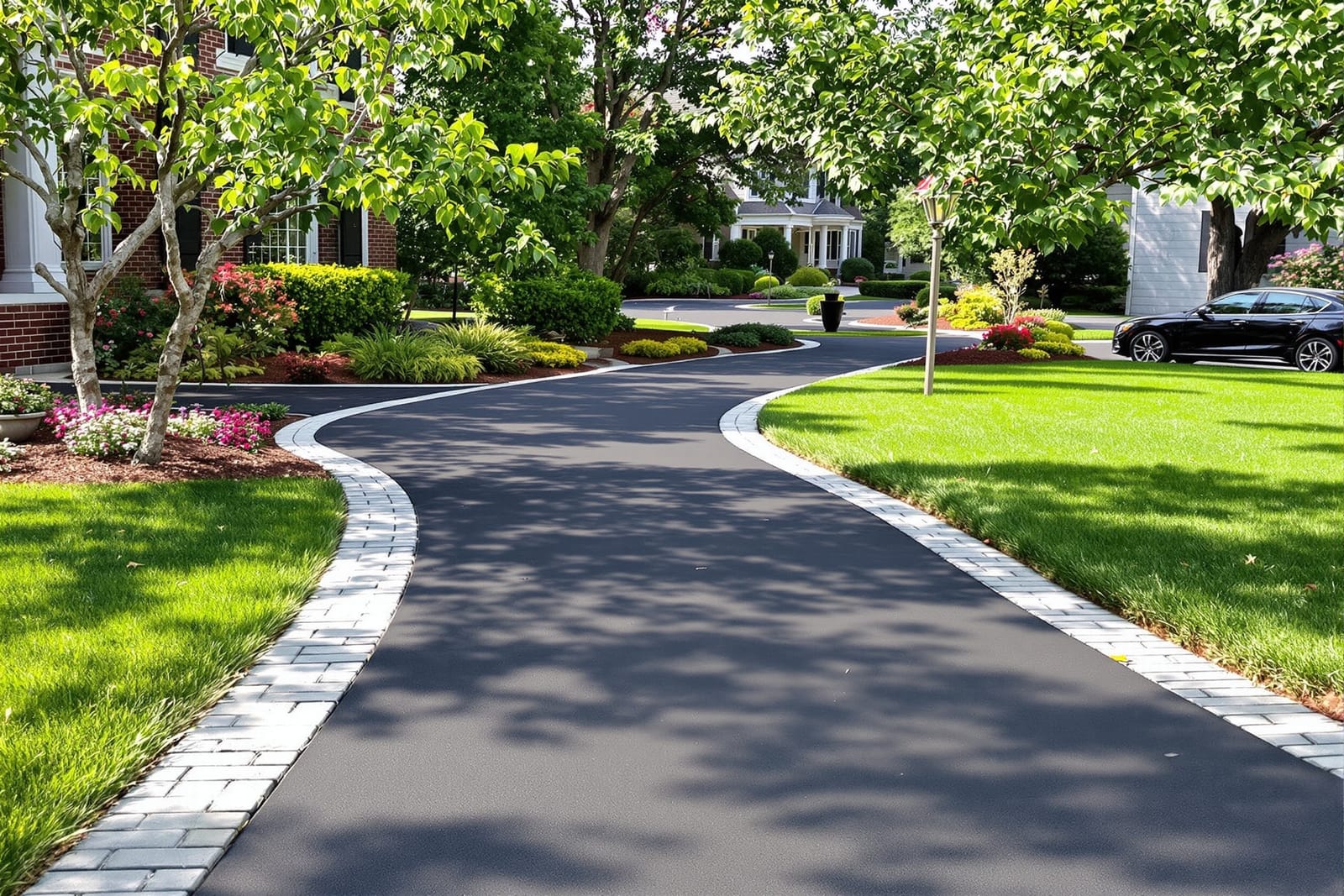
Create safe, attractive access around your home in Durham, NC with asphalt walkway and pathway paving. We design and install smooth paths from driveways to doors, sheds, and play areas. Our team shapes walkways to fit your landscape and manage drainage. Enjoy clean, low maintenance routes that stand up to daily use.
Precision Asphalt Durham provides professional asphalt walkway paving throughout Durham, NC, North Carolina and the surrounding area. Our licensed, insured crew delivers safe, clean, on-time work with a free estimate before anything begins. Call (984) 206-3947 or request your free quote.
Asphalt Walkways and Paths Built for Durham Properties
If you walk it every day, it needs to be built right. At Precision Asphalt Durham, we focus on asphalt walkway paving that fits how you actually use your property in Durham, NC. Whether it is a front walk from the driveway to the porch, a path around an apartment community, or a connector trail between buildings, we start by looking at traffic, drainage, and how the walkway ties into what is already there.
For most residential and light commercial walkways, we recommend a compacted stone base with a 2 to 3 inch asphalt surface layer. In shaded Durham yards with a lot of tree roots, we may increase base depth or adjust the route slightly so the path does not buckle in a few years. On steeper slopes, we shorten sections and add cross slope for better drainage so water does not sit on the surface and create slick areas.
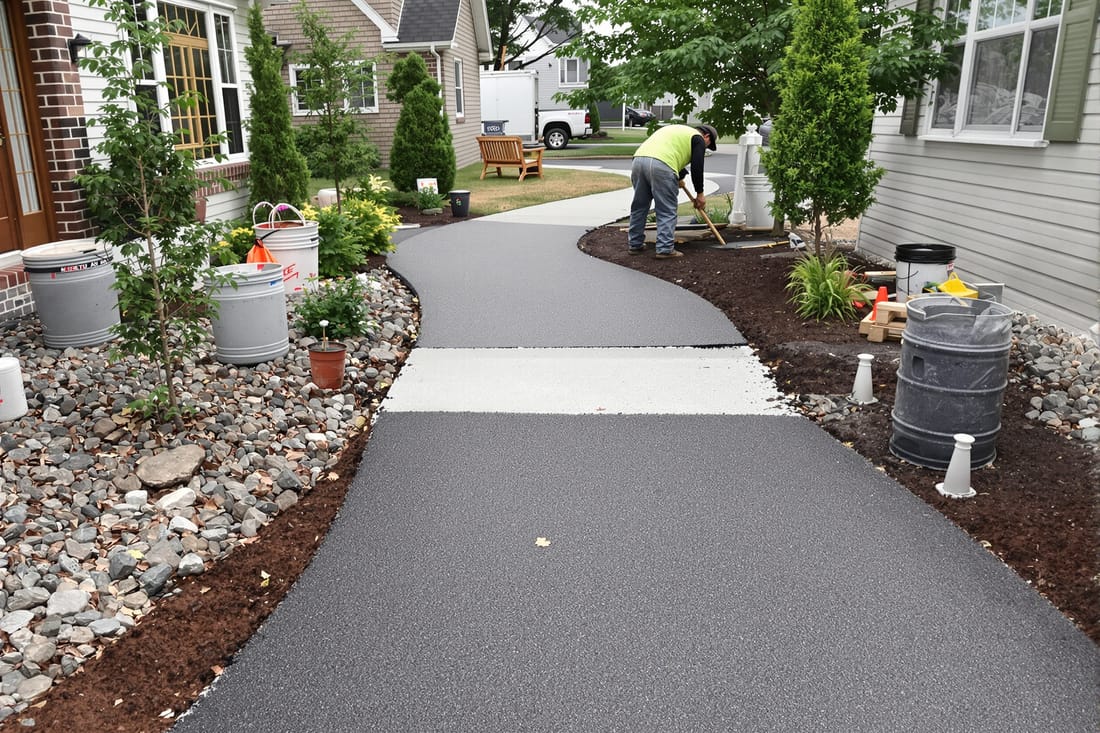
You are not locked into a straight black strip either. We can curve paths around landscaping beds, widen areas where people tend to stop or pass each other, or flare the asphalt where it meets parking or steps so it feels natural and is safer to walk. Our goal is to build a walkway that looks planned, not patched in after the fact.
How We Actually Build an Asphalt Walkway or Path
Good asphalt walkway paving starts under the surface. We begin by marking the route, locating utilities, and checking for problem spots like soft soil, poor drainage, or heavy tree root zones. In many Durham neighborhoods, red clay and pockets of fill dirt show up in the same yard. We adjust excavation depth accordingly so the walkway sits on stable ground.
Next we excavate to the proper depth, typically 6 to 8 inches below finished grade for a standard walkway. We remove organic material and soft spots, then compact the subgrade with a plate compactor or roller until it is firm and does not pump underfoot. In low lying areas or spots that stay wet after a rain, we may add geotextile fabric to separate the soil from the stone base.
We install and compact a crushed stone base, usually ABC stone that is common in the Triangle. Base thickness usually runs 4 to 6 inches for walkways, thicker for areas expecting cart or light vehicle traffic. We shape the base with a slight crown or cross slope so water runs off the finished asphalt. Forms or edging are set if needed to control the edges and protect lawns or beds.
Hot mix asphalt is then laid over the prepared base. For most walkways we use a finer aggregate surface mix that compacts to a smoother finish than driveway or road mixes. We install the asphalt at the proper temperature, rake and lute it to the right thickness, then compact it with a roller and plate compactor around tight curves and edges. Joints where the new walkway meets existing asphalt, concrete, or steps are carefully tapered so there is no trip edge.
Design Choices, Accessibility, and Safety Details
A walkway only works if it is comfortable and safe to use. For homes in Durham, a typical path from driveway to front door is 3 to 4 feet wide. For multi family properties, schools, or churches, 5 feet or wider makes more sense so two people can pass without stepping into the grass. If you expect strollers, wheelchairs, or carts, we recommend at least 5 feet and turning areas that are wide enough to maneuver.
Slope is critical. We look at how the walkway climbs from one elevation to another and plan the route to avoid overly steep sections. Where the site allows it, we keep slopes within ADA friendly ranges so anyone can use the path comfortably. On sloped sites in Durham with that slick red clay, we pay extra attention to cross slope and drainage so water does not sheet across the walkway and cause algae growth.
Surface finish matters too. A properly compacted fine mix asphalt provides enough texture for traction but is still smooth enough for wheelchairs, walkers, and rolling trash carts. Around pools or in heavily shaded areas, we may recommend a slightly more textured mix and a sealcoating schedule that balances appearance with skid resistance.
We can add details like asphalt transitions to concrete stoops, widened landings at doors, and gentle flares where the walkway meets the street or parking. For commercial and institutional clients, we coordinate with your striping or signage so crosswalks and accessible routes are clearly defined and match actual use patterns.
What Drives Cost and How We Keep It Predictable
Walkway and pathway paving costs in Durham are driven mostly by layout, base work, and access. Straight runs across open ground are more efficient than winding paths that weave around existing landscaping. Curves are fine, they just need more handwork and edging, especially if we are protecting established turf or planting beds.
Base preparation is the biggest variable. If your yard is flat, firm, and already graded close to where the walkway needs to be, we can keep excavation and stone depth straightforward. If we find soft spots, buried debris, or sections that hold water, we may recommend deeper excavation, fabric, or additional stone. Spending a bit more on the base almost always saves money compared to fixing settled or cracked sections later.
Access also matters. In tight backyards or courtyards in downtown Durham or near Duke and NCCU, getting equipment and asphalt to the work area can take more time and labor. We plan material staging and equipment size around your site so we are not tearing up the rest of your property just to build a path.
We walk the full route with you before pricing, explain where costs may increase, and offer options. For example, you might choose a slightly narrower path in one section to avoid costly retaining work, or adjust the route a few feet to miss a large tree root zone. Our estimates from Precision Asphalt Durham spell out base depth, asphalt thickness, and what is included in site restoration so you are not guessing what you are paying for.
Local Conditions, Maintenance, and Why a Durham Crew Helps
Durham weather is hard on pavement. Summer heat, winter freeze and thaw, and heavy thunderstorms all affect asphalt walkway paving. When we design and install walkways, we factor in how water moves across your yard during a storm, how much sun or shade the path gets, and where ice tends to linger in winter. Local knowledge helps us plan slopes and drainage that work with our climate instead of fighting it.
Tree roots are another Durham specific issue, especially with older oaks and maples. Instead of just cutting roots and hoping for the best, we look at how close the trunk is to the proposed path, what direction roots are running, and whether a small route adjustment or root barrier makes sense. The goal is to protect both the tree and the walkway.
Maintenance for asphalt walkways is pretty straightforward. Keep edges trimmed so grass does not creep over and hold moisture, clean off leaves and debris in the fall so water can drain, and address any small cracks before water gets under the surface. We usually recommend sealcoating walkways on a longer cycle than driveways, often every 4 to 6 years, since they see less traffic. When we finish a job, Precision Asphalt Durham leaves you with clear guidance on what to watch for and the best way to keep your walkway looking clean and safe.
If you already have a cracked or settled walkway, we can assess whether patching, overlaying, or full replacement makes more sense. In many cases, older concrete paths in Durham neighborhoods can be overlaid with asphalt after repairs and profiling, which can be more cost effective than full demolition and re pour, especially for long runs behind homes or along property lines.