Home › Parking Lot Sealcoating & Maintenance
Precision Asphalt Durham offers parking lot sealcoating in Durham, NC to protect your commercial asphalt from traffic, weather, and spills. Our maintenance services include crack filling, sealcoating, and periodic inspections to catch issues early. A regular sealcoating program keeps your lot looking sharp, extends pavement life, and helps your business present a well maintained image.
Precision Asphalt Durham provides professional parking lot sealcoating throughout Durham, NC, North Carolina and the surrounding area. Our licensed, insured crew delivers safe, clean, on-time work with a free estimate before anything begins. Call (984) 206-3947 or request your free quote.
Parking lot sealcoating for Durham properties that stay busy
A parking lot in Durham does not just sit there. It bakes in summer heat, gets sudden downpours, and handles student traffic, delivery trucks, and game-day crowds. Precision Asphalt Durham focuses on sealcoating and maintenance that match what actually happens in local lots, from small offices along Duke Street to retail centers off 15-501.
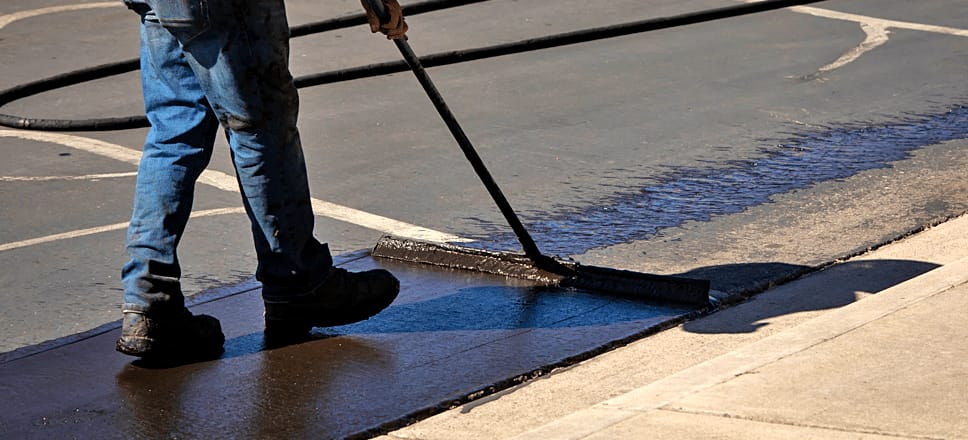
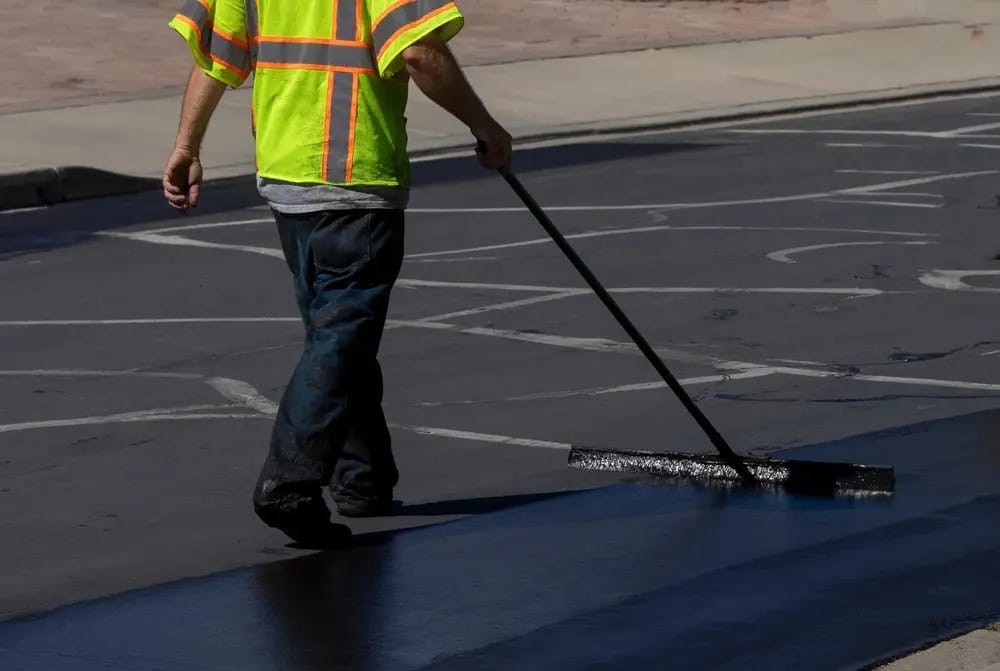
Parking lot sealcoating is a protective coating brushed or sprayed over your existing asphalt. It keeps water, UV light, road salt, and oil from soaking into the pavement and breaking it down. On most commercial sites in Durham, original asphalt was installed 10 to 25 years ago, often with only spot repairs since. Sealcoating gives that pavement a new wear surface, slows cracking, and improves line visibility.
We use commercial-grade asphalt sealer designed for heavy traffic, not the thin, hardware-store mix. For busy lots like medical offices and shopping centers, we typically apply two coats to drive lanes and at least one coat to lighter-use areas. We schedule work in sections so your tenants and customers can still access the property while the sealer cures.
How our sealcoating process actually works
Before any sealer goes down, Precision Asphalt Durham does a walk-through with you. We look for drainage issues, soft spots, birdbaths (low spots that hold water), and any areas where past patches are failing. For many Durham lots that have been overlayed or patched over the years, tying old and new asphalt together is as important as the coating itself.
First, we block off the work area and post clear signs and notices for tenants. Then we clean the surface thoroughly. That usually means mechanical blowing, steel brushing around edges, and pressure washing oil spots. We take time on this step because sealer sticks only to clean, dry pavement. On older lots near wooded streets or around apartment complexes, this step often includes scraping moss or impacted dirt out of cracks along curbs.
Next, we repair cracks and localized damage. Larger cracks are cleaned and filled with a hot or cold rubberized crack filler, depending on the width and depth. Alligator cracking (the web-like pattern you see in worn drive lanes) often needs dig-out and patching before sealcoating. If we simply coat over those areas, the problem will show right back through. We explain which areas truly need patching and which are cosmetic so you are not paying for unnecessary work.
Once repairs cure, we apply the sealer using professional spray rigs and squeegees. Edges along concrete, building entrances, and curbs typically get a brushed edge, then we spray the main lanes to keep the finish even. We also add sand to the mix in many commercial projects for added traction and to reduce tracking into buildings. After the sealer dries, we handle re-striping and pavement markings so the lot is safe and easy to navigate when you reopen.
What affects the cost of parking lot sealcoating in Durham
Property managers want to know why bids can vary so much. Precision Asphalt Durham breaks costs down in plain terms so you can compare apples to apples.
Lot size and layout are the first big drivers. A wide-open church parking lot off NC-55 is faster and cheaper per square foot than a tight multifamily lot with islands, carports, and multiple drive aisles. More handwork around obstacles means more labor.
Current pavement condition matters just as much. A relatively smooth, solid 5-year-old surface may only need minimal crack filling before a two-coat seal. A 20-year-old strip mall lot with ruts, potholes, and alligator cracking will need patching, leveling, and heavy crack work. Some of that is technically separate from sealcoating, but it has to be done first or the sealer will not last.
Traffic type also affects material choice and cost. Lots that take bus traffic, delivery trucks, or heavy dumpsters need stronger mixes and extra coats in loading zones. If your Durham property gets frequent delivery trucks behind the building or bus traffic near entrances, we may recommend a different specification there than in the customer parking stalls.
Timing and access are another factor. Night work or weekend work in busy areas like downtown Durham or around hospital campuses costs more because of labor schedules and lighting requirements. For many clients, the extra cost is worth it so the lot is ready by Monday morning or open during business hours.
We always provide a written scope that separates sealcoating, crack filling, patching, and striping. That way you know what each part costs, which items are urgent, and what could be phased into next year’s budget if needed.
Common problems we solve in Durham parking lots
Parking lot issues in Durham tend to follow a pattern: standing water, edge breakdown along landscaped areas, faded striping, and spider web cracks across drive lanes. Precision Asphalt Durham has tailored approaches for these recurring problems so they do not keep coming back every season.
Standing water usually shows up in older lots that have settled or were paved over old base material. Before sealcoating, we may plane or mill slight high spots and use patch material to build up low areas so water sheds toward drains. Sealcoating alone cannot fix drainage, so we address these areas first.
Edge breakdown is common along grass or mulched islands where water and roots soften the base. We cut back to solid material, rebuild the base, and install new asphalt edges with a proper slope. Once the structure is solid, sealcoating helps keep water from entering from above.
Oil and chemical stains are another local issue, especially near restaurants and service areas. We use cleaners and primers formulated for petroleum-contaminated asphalt. If a spot is heavily saturated, we may recommend cutting out and replacing that section, since sealer will not bond well to a heavily oil-soaked surface.
Faded striping and confusing traffic flow are safety issues more than appearance problems. After sealcoating, we re-stripe to current ADA and fire lane standards, and we can adjust the layout where it makes sense. That might mean reshaping loading zones, improving handicap access routes, or tightening up angled stalls to gain a few extra spaces without hurting circulation.
How to plan your parking lot sealcoating project
The best time to plan parking lot sealcoating in Durham is late winter or early spring, before schedules fill up. Precision Asphalt Durham will walk your property with you, identify priority areas, and build a plan that fits your operating hours.
You will want to think through access while your lot is closed. For retail and restaurants, we usually phase work so the main entry is always open, or we coordinate with you so one side of the lot is finished while the other remains in use. Office and medical buildings often prefer Friday afternoon to Sunday schedules so staff and patients are not affected.
Weather is a real factor here. Sealcoating needs dry pavement, no rain in the forecast, and mild temperatures. In Durham summers, that can mean early morning starts to avoid afternoon storms. In some cases, it is better to push a project a day than to rush sealer onto a damp surface. We watch the local forecast closely and keep you updated so there are no surprises.
Before our crew arrives, we will ask you to notify tenants, post temporary parking information, and remove loose items like portable signs or dumpsters that block the work area. We provide cones and caution tape to keep traffic off the fresh surface until it is ready. Most lots can reopen to light car traffic within 24 hours, although shaded areas or heavily coated sections may need a bit longer.
We finish by giving you a realistic maintenance schedule. For most Durham commercial lots, sealcoating every 3 to 5 years, with annual crack filling and touch-up striping, keeps the pavement in good shape. That approach usually costs less over time than letting the lot deteriorate until a full replacement is unavoidable.