Home › Gravel-to-Asphalt Conversions
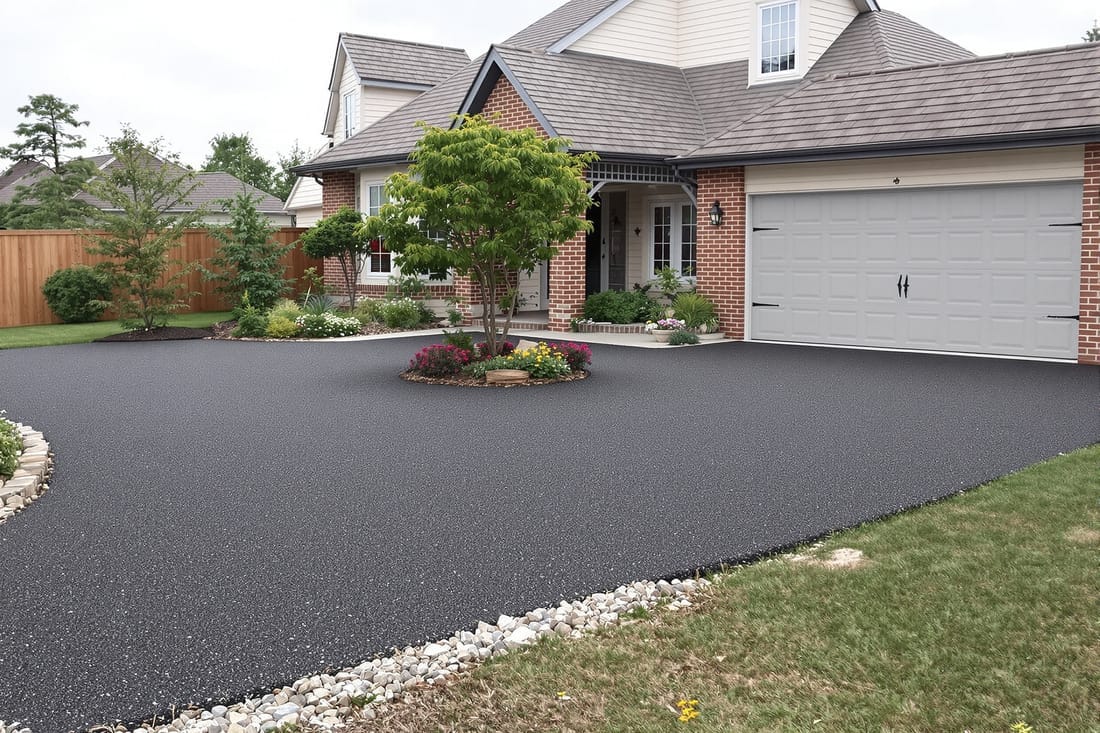
Precision Asphalt Durham offers gravel to asphalt driveway conversions in Durham, NC so you can say goodbye to mud, ruts, and constant regrading. We prepare the base, compact existing gravel, and pave a new asphalt surface sized for your vehicles and drainage needs. The result is a clean, durable driveway that is easier to maintain and far more attractive than loose stone.
Precision Asphalt Durham provides professional gravel to asphalt driveway throughout Durham, NC, North Carolina and the surrounding area. Our licensed, insured crew delivers safe, clean, on-time work with a free estimate before anything begins. Call (984) 206-3947 or request your free quote.
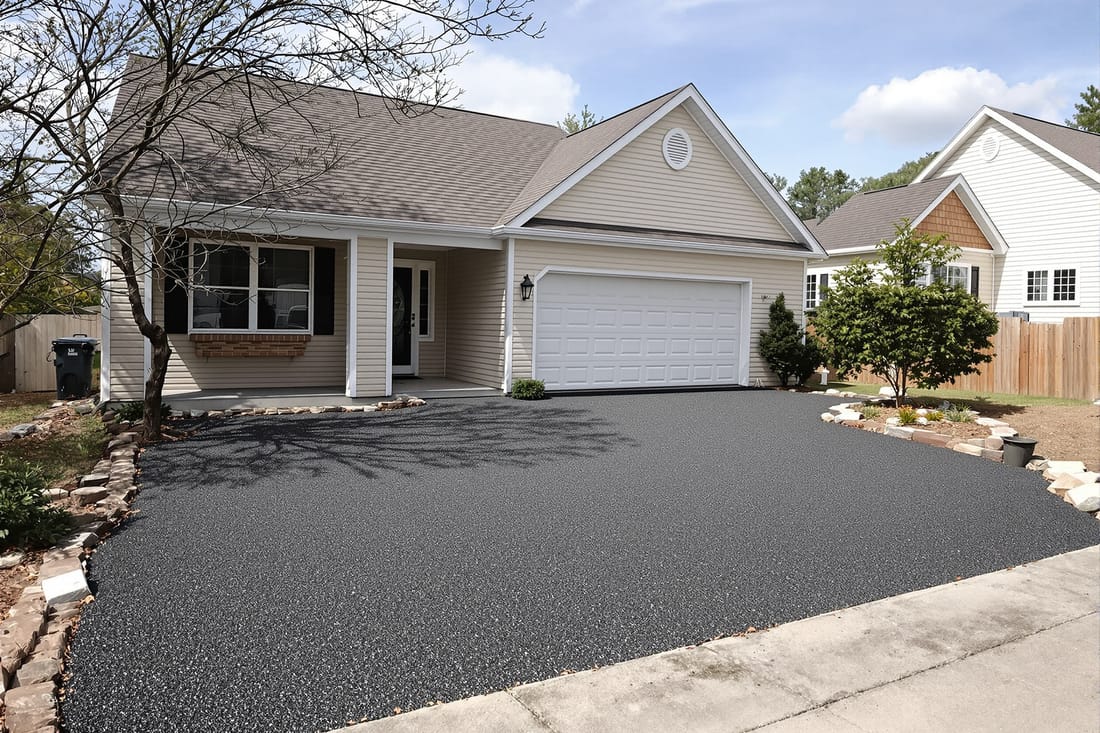
Turn Your Gravel Driveway Into a Clean, Solid Asphalt Surface
If you are tired of dust, loose stones, and ruts in your gravel driveway, Precision Asphalt Durham specializes in converting gravel to asphalt driveways across Durham and the surrounding Triangle. Our focus is simple: build a driveway that drains correctly, holds up under real traffic, and looks clean in front of your home or business.
Durham properties are varied, from older brick homes near Duke and Forest Hills to newer subdivisions off Highway 98 and in Southpoint. A proper gravel to asphalt conversion has to respect the soil, layout, and drainage patterns on each specific site. We do not just dump asphalt on top of gravel. We evaluate your base, correct grade issues, and only then pave. That is what keeps your new driveway from cracking and potholing early.
Every project starts with a site visit, measurements, and questions about how you use the driveway. Number of vehicles, delivery trucks, boat trailers, and RVs all matter. We match the asphalt thickness, base depth, and layout to the actual use so you get the longest life for your money.
How We Convert a Gravel Driveway to Asphalt, Step by Step
A solid gravel to asphalt driveway always comes down to the base. In Durham, many older gravel drives were never built as real structures, they are often just rock poured over red clay. If we paved directly on that, you would see cracks, dips, and edge failures in a few seasons.
Our process typically follows these steps:
1. **Evaluate and mark utilities**. We call in utility locates and walk the site to identify potential conflicts such as shallow water lines or drainage pipes across the drive.
2. **Strip and reshape the existing gravel**. We use a skid steer or grader to pull off excess loose stone, knock down high spots, and identify soft or pumping areas in the clay. In some cases, we haul away contaminated or muddy gravel instead of reusing it.
3. **Install or upgrade the base stone**. For most Durham driveways we use a compacted, crushed stone base such as ABC stone (crusher run) at a depth of 4 to 8 inches, depending on traffic. We spread in lifts, typically 2 to 3 inches at a time, and compact with a vibratory roller until we achieve a tight, stable base.
4. **Fine grading for water control**. We set the final slope so water sheds to the lawn or into a swale, not toward your house, garage, or crawlspace. Even a 1 to 2 percent slope makes a big difference in preventing frost damage and surface failures.
5. **Edge preparation and transitions**. At the street, we tie into existing asphalt or concrete without creating a bump. At garages and walkways, we adjust elevation so there is no trip edge and so doors clear comfortably.
6. **Paving with hot mix asphalt**. We typically install a 2.5 to 3 inch compacted surface course for residential driveways, thicker for frequent heavy trucks. We place the asphalt hot, machine lay where possible for a smooth finish, then compact with a combination of steel drum and rubber tire rollers.
7. **Final rolling and cleanup**. We check joints, edges, and drainage once more, then clean up loose stone and debris so you are left with a finished, ready to cure surface.
Design Choices for Your New Asphalt Driveway
A gravel to asphalt driveway conversion is a good moment to rethink how the drive actually works. Many older Durham homes have narrow, winding gravel drives that are hard to navigate or tough to plow and maintain.
Width is the first question. A typical single lane residential driveway in Durham is 9 to 10 feet wide. If you regularly park side by side or have a basketball goal, we might recommend a 16 to 20 foot parking pad or flare near the house. In tight city lots near downtown and Ninth Street we often keep a narrow entrance at the street, then widen near the home so you are not giving up curb space.
Shape is the second. A straight run is usually cheapest to convert, but sometimes a small curve or adjusted approach angle makes it easier to back out onto roads like Guess Road or Roxboro Street. We also look at how garbage trucks, delivery vans, or landscape trailers will turn so you avoid rutting the edges.
Finish options matter too. Standard hot mix asphalt provides a uniform black surface. For higher end properties or steeper slopes we can discuss a slightly coarser surface mix that offers more texture and grip. If you expect frequent turning from boat trailers or work trucks, we may recommend a thicker asphalt section or even a heavier binder course under the surface in high stress areas.
At the street, we consider city and NCDOT requirements for driveway aprons. In some Durham neighborhoods, the apron must follow a specific width or flare standard. Precision Asphalt Durham handles these details so you get a driveway that not only looks right but also meets local expectations.
What Affects the Cost of Converting Gravel to Asphalt
Homeowners often ask for a price per square foot, but with gravel to asphalt driveway projects that number can be misleading. Several site specific factors matter more than raw square footage.
Base condition is the biggest driver. If your gravel driveway has been in place for years and drains well, we may be able to reuse a portion of the stone as part of the base, which keeps costs down. If the driveway holds water, pumps underfoot, or has deep ruts that reveal soft clay, we will need to undercut those areas, haul off poor material, and rebuild the base with compacted stone.
Access for equipment affects pricing too. A straight, open driveway off a main road is simpler than a long, narrow lane that runs between fences, trees, or retaining walls. Tight spaces can require smaller machines and more hand work.
Slope and drainage changes also add complexity. Correcting a driveway that sends water toward a basement, slab, or crawlspace may mean additional grading, adding swales, or installing french drains or culverts. Those steps cost more now, but they protect both your pavement and your structure.
Thickness and mix design influence cost and durability. In most of Durham, a standard residential gravel to asphalt driveway conversion means 4 to 6 inches of compacted stone and 2.5 to 3 inches of compacted asphalt. If you regularly bring in loaded work trucks, moving vans, or construction trailers, we may suggest heavier sections. That raises the price but significantly reduces the risk of premature rutting and cracking.
Finally, timing matters. Larger projects can sometimes be scheduled back to back with nearby work to reduce mobilization costs. Precision Asphalt Durham will walk you through the specific factors on your property instead of guessing off an aerial photo.
Common Problems With Gravel Driveway Conversions and How We Avoid Them
Slapping asphalt on top of loose gravel is the fastest way to end up with a failing driveway. We see this on cut rate jobs around Durham where the surface looks acceptable the first year, then cracks, dips, and edge breakoffs start showing.
One common issue is inadequate compaction of the base. Gravel that looks tight on the surface can still be loose a few inches down. Our crews compact in lifts with the right size rollers and, on narrower drives, plate compactors at edges. We do not move to paving until the base is firm under a loaded truck.
Another problem is water trapped under the asphalt. On many Triangle properties the native red clay does not drain well. If water is allowed to collect beneath the pavement, freezing cycles and heavy traffic will break it down. We shape the base with a crowned or cross slope, install swales or ditches as needed, and in problem areas may suggest underdrain or a deeper stone section to keep water moving.
Edge support is often overlooked. Asphalt left hanging over soft shoulder soil will crack off over time. We plan for at least 6 inches of stone base beyond the asphalt edge wherever possible, then compact that shoulder. In tighter city lots, we may recommend edging or a small concrete lip along flower beds or steep drops.
Finally, premature surface damage from turning movements is common on short driveways and cul de sacs. To handle sharp turns near garages or carports, Precision Asphalt Durham may use a slightly thicker section or a tougher mix in those specific zones. Protecting those stress points keeps the entire drive looking better over the long term.
What Durham Homeowners Should Know Before Hiring for a Gravel to Asphalt Driveway
Before you hire anyone to convert a gravel driveway to asphalt, there are a few practical points worth checking so the job is built to last in Durham conditions.
Ask how the contractor evaluates and builds the base. If the answer is simply, "We level the gravel and pave," that is a problem. You want clear details about stone type, depth, and compaction equipment. Precision Asphalt Durham specifies these items in writing so you know what you are paying for.
Confirm how drainage will be handled. Look at where your current puddles form after a storm. A good plan will explain how the new driveway slope, ditches, or drains will move water away from the pavement and your home. This is particularly important for older homes in areas like Watts Hospital Hillandale, Old West Durham, and near Eno River where yards can be uneven.
Verify what thickness of asphalt is included and whether that is compacted thickness or loose. The compacted number matters for real strength. For most standard residential drives, you should see at least about 2.5 inches compacted.
Check traffic expectations. If you plan to bring in moving trucks, work vans, or equipment trailers, say so up front. That may change the design and cost slightly but will save you from repairs later.
Finally, talk about timing and curing. In warm Durham weather, you can usually drive straight on new asphalt with passenger vehicles once it has cooled, but heavy vehicles and sharp turning on hot days should be limited for a while. We explain practical care steps so you avoid scuffing and depressions in the first weeks.
When you are ready to replace your dusty, rutted gravel with a clean, durable asphalt surface, Precision Asphalt Durham can walk your driveway with you, explain your options clearly, and provide a detailed quote based on the actual conditions at your property.