Home › Asphalt Pathways, Sidewalks, and Trails
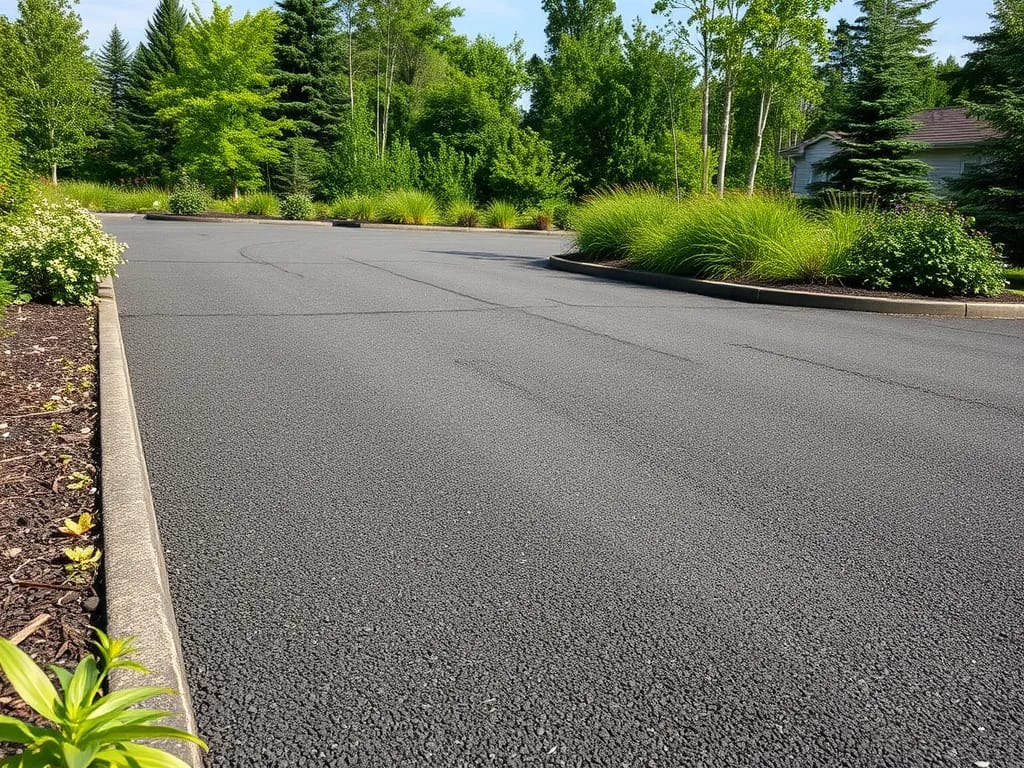
Precision Asphalt Durham delivers asphalt pathway paving in Durham, NC for campuses, parks, and commercial sites. We build smooth, accessible sidewalks, walking paths, and multi use trails that are comfortable for pedestrians, strollers, and bikes. Our team handles layout, grading, and paving to create paths that blend with landscaping and handle daily use.
Precision Asphalt Durham provides professional asphalt pathway paving throughout Durham, NC, North Carolina and the surrounding area. Our licensed, insured crew delivers safe, clean, on-time work with a free estimate before anything begins. Call (984) 206-3947 or request your free quote.
Durham Asphalt Pathways, Sidewalks, and Trails Done Right
Asphalt pathways, sidewalks, and trails need to fit how people actually use a property in Durham, not just look good on a site plan. At Precision Asphalt Durham, we build and repair paved walkways for apartment communities, HOAs, parks, schools, churches, and private homes across Durham, Chapel Hill, and nearby areas.
Local conditions matter. Durham’s clay soils, tree roots, and temperature swings from summer heat to winter cold will expose any shortcuts in base prep or drainage. That is why we focus on subgrade and runoff control first, then the asphalt. A tidy black surface is not enough if the walkway puddles after every storm or cracks within two seasons.
Whether you need a short front walk to a brick bungalow in Watts-Hillandale, a loop trail around a newer subdivision off NC-98, or ADA-accessible paths between buildings in a research campus near RTP, we tailor design, thickness, and layout to the site. We explain the tradeoffs clearly so you can choose options that balance cost, durability, and appearance, without hidden surprises later.
Planning and Design for Walkways and Trails in Durham
Good pathway projects start before a crew shows up with equipment. We walk the site with you, identify where people actually walk now, and look for drainage paths, utilities, and root zones before we design the alignment.
For residential sidewalks and garden paths, we pay attention to how they connect to driveways, porches, stoops, and mailboxes. In older Durham neighborhoods with tight lots and mature oaks, this often means gentle curves around root systems instead of straight lines that will heave over time. In townhome communities, we plan widths that leave enough grass or landscaping strip for HOA maintenance equipment.
For longer recreational trails, like around retention ponds or through greenbelts, we consider expected traffic. A 6 foot wide walking path for dog walkers and joggers has different needs than an 8 to 10 foot multi use trail that sees bikes, strollers, and service vehicles. We also review slopes carefully so that the finished path is comfortable to walk and can meet ADA recommendations where required.
Part of design is drainage. Durham’s occasional heavy rain events will find the low spots. We set grades with a slight cross slope so water sheds off the surface, and we add swales or pipe crossings where needed so you do not end up with sections of the path under water for days. On clay-heavy sites, we may recommend a thicker aggregate base to keep the structure out of the mud layer.
You will get a clear explanation of thickness, width, and route recommendations from Precision Asphalt Durham before you sign off on the project, so you know exactly what is being built and why.
How Asphalt Pathway Paving is Installed Step by Step
Our pathway, sidewalk, and trail paving process in Durham follows a specific sequence to avoid the common failures we see around town.
1) Layout and marking: We mark the proposed path with paint and flags, and confirm with you on site. We call in utility locates to avoid cutting into gas, water, or communications lines.
2) Excavation and subgrade: We strip sod and organic material to the required depth, usually 6 to 10 inches depending on design. Soft or pumping spots in Durham’s red clay are undercut and replaced with compacted stone so they do not turn into sink areas later.
3) Base installation: We install a compacted crushed stone base, typically ABC stone, at 4 to 8 inches depending on traffic expectations. For multi use trails that may see carts or maintenance trucks, we lean toward the heavier end of that range. Each lift of stone is compacted with plate compactors or rollers until it is firm and uniform.
4) Edge definition: For residential sidewalks and short pathways, we can cut a neat edge against turf. For higher use areas or where washouts are a risk, we may recommend a concrete, timber, or asphalt curb edge to hold the base and surface in place.
5) Asphalt paving: We place hot mix asphalt while it is at the proper temperature. Smaller paths might be installed with a small paver or by hand and then compacted with a roller. Typical thickness is 2 to 3 inches compacted for walk only paths and 3 inches or more for shared use trails.
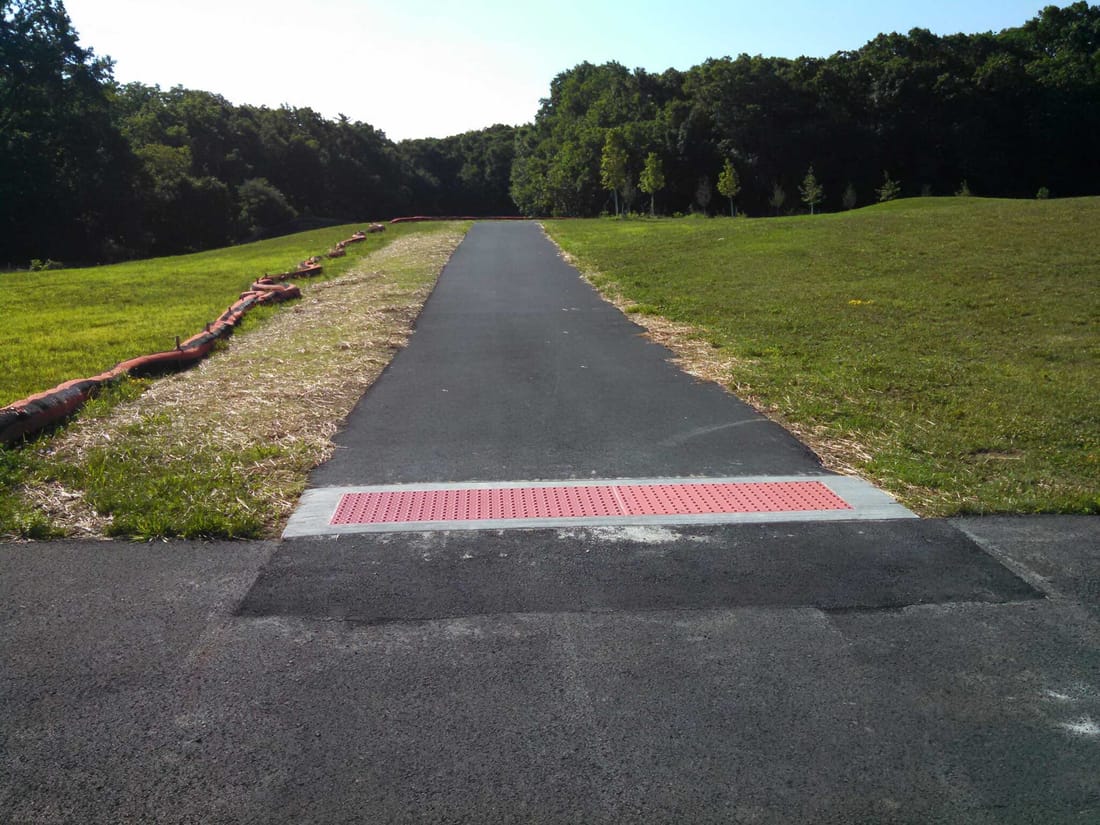
6) Compaction and finish: We roll the surface until it is dense and smooth, paying extra attention at transitions to existing concrete walks, driveways, or building entrances so there are no trip lips.
7) Cleanup and walk-through: We clean soil and debris from adjacent turf and beds and do a final walk-through with you to confirm slopes, tie-ins, and finish quality.
Most smaller sidewalk and pathway jobs can be completed in one to two days on site, depending on weather and access. We schedule work to minimize interruption to residents and visitors.
Material Options, Thickness, and Durability Choices
Not every asphalt pathway needs the same build. Precision Asphalt Durham helps you choose materials that match how the path will be used and what your site demands.
For light residential use, such as backyard access paths, garden routes, or walkways from a driveway to a front door, we often recommend:
• 4 to 6 inches of compacted stone base.
• 2 inches of compacted hot mix asphalt surface.
For busier HOA sidewalks, school routes, or church campuses where golf carts, maintenance equipment, or delivery dollies may use the paths, we may bump up to:
• 6 to 8 inches of compacted stone base.
• 2.5 to 3 inches of compacted asphalt.
For multi use trails that might see occasional light vehicle access, like park maintenance or emergency vehicles, structural design is more important. In those cases, we discuss thicker base layers and, in some cases, a two lift asphalt system (a base lift and a surface lift) to better resist deformation.
We primarily use standard hot mix asphalt suited to our region, but we can also provide:
• Fine mix surfaces for a smoother finish that is comfortable for joggers and bicycles.
• High binder content mixes for higher load areas or where turning traffic from carts is expected.
Color options with asphalt are limited compared to concrete, but edging and striping can help define the path. On shaded sites in Durham with heavy leaf drop from oaks and maples, a slightly finer surface mix can make sweeping and blowing debris easier.
We discuss these options up front, with plain language on what each choice costs and how it performs over time, so you can avoid paying for strength you do not need or cutting corners that will cause headaches later.
Costs, Common Problems, and Maintenance in Durham
Several factors drive the cost of asphalt pathway paving in Durham, and understanding them helps you plan a realistic budget.
Key cost factors include:
• Length, width, and total square footage of the path.
• Required base depth, especially on soft or wet soils.
• Access for equipment (tight backyards or steep slopes can increase labor).
• Demolition of old cracked concrete or asphalt, if present.
• Drainage improvements like culverts, swales, or underdrains.
We provide line item estimates so you can see where your money is going. For example, if a section runs through a chronically wet low spot, we will clearly show what it costs to fix drainage properly versus skipping it and risking future failures.
Common problems we see around Durham include:
• Heaving and cracking from tree roots where paths were run too tight against large trunks.
• Alligator cracking on trails with thin base placed over clay that was never properly compacted.
• Puddling in long flat runs with no cross slope.
Precision Asphalt Durham addresses these by routing around major root zones, correcting base failures instead of just overlaying, and regrading sections that do not drain. For existing paths, we can often mill and repave limited sections rather than replacing the whole run.
Maintenance is straightforward but important. We typically recommend:
• Keeping edges trimmed so grass roots do not creep under and lift the asphalt.
• Clearing leaves and debris so water does not sit on the surface for days.
• Crack sealing every few years for high value trails to keep water out of the base.
In our climate, a properly constructed asphalt walkway that is maintained reasonably can serve 15 to 25 years before major resurfacing is needed, often longer for low traffic residential paths.
Why Work With Precision Asphalt Durham for Paths and Trails
When you hire a paving contractor for pathways, sidewalks, or trails around Durham, you are trusting them with how people move through and experience your property for years. We take that seriously.
Precision Asphalt Durham focuses on clear communication and practical design, not just pouring blacktop. We explain what we are doing with the subgrade, the base, and the drainage so you know the walk or trail is being built on more than a thin cosmetic surface. If we think a section of your planned route will give you trouble because of an existing tree or a known drainage issue, we will say so and offer alternatives.
We are familiar with the mix of older homes with narrow side yards, newer subdivisions with HOA standards, and institutional campuses scattered across Durham. That local experience helps us avoid typical layout mistakes like paths that trap runoff against foundations or dead end at awkward steps.
Scheduling is coordinated around your use patterns. For example, for schools we phase work to avoid student arrival and dismissal times. For apartment complexes, we plan segments so residents always have a safe route while we work.
At the end of the project, we walk the entire route with you, point out key features such as drainage points and expansion allowances near trees, and discuss simple maintenance steps tailored to your site. You get a finished asphalt pathway, sidewalk, or trail that looks right, drains correctly, and holds up to real Durham foot traffic instead of just the first set of photos.